Syringe Pumps in Veterinary Care: Precise Drug Delivery for Every Patient
Inovenso IPS Team · 7 min read · Applications
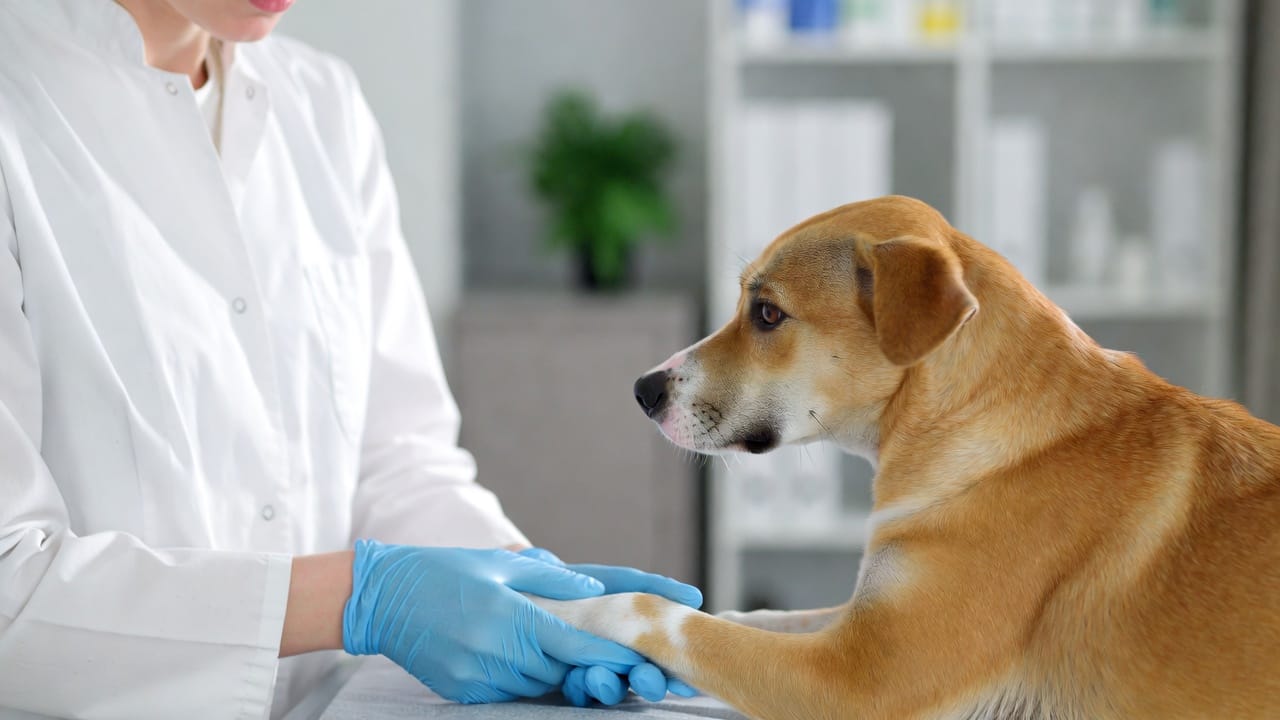
IPS Series syringe pump in veterinary clinical use — precise CRI and TIVA delivery for patients from rodents to large animals.
Veterinary medicine presents a uniquely demanding environment for drug delivery. Patients range from a 20-gram mouse to a 500-kilogram horse — a body weight span of four orders of magnitude. Drug dosing must scale accordingly, and the margin for error in small patients is almost zero. A syringe pump is not a luxury in veterinary practice; for many procedures, it is the only instrument capable of delivering medication at the required precision.
This guide covers how syringe pumps are used in veterinary care, what flow rates and volumes different species require, and which IPS Series configurations are most appropriate for clinical and research veterinary settings.
Why Veterinary Drug Delivery Demands Precision
In human medicine, dosing errors are serious. In small animal and exotic species veterinary medicine, they can be immediately fatal. A rabbit weighing 1.5 kg receiving an injectable anesthetic has essentially no buffer — a 20% overdose is a critical event. At that patient size, the difference between a therapeutic dose and a lethal dose may be less than 0.05 mL of solution.
Manual syringe administration — a clinician pushing a syringe by hand — cannot deliver 0.05 mL over 10 minutes at a constant rate. A syringe pump can. This is the foundational reason syringe pumps are now standard equipment in small animal ICUs, exotic animal clinics, and veterinary research facilities.
Critical insight: The smaller the patient, the more the pump specification matters. A ±5% flow rate error in a 50 kg dog is clinically insignificant. The same error in a 200 g rat receiving an IV anesthetic may push the animal into an overdose. IPS Series pumps maintain 99% accuracy across the full stroke — including at the very low flow rates small animal care requires.
REF
Syringe pump accuracy in preclinical rodent infusion: Syringe pumps are widely considered the most accurate devices for delivering IV doses to laboratory animals. Researchers adjust flow rates based on body weight and rely on pump accuracy for reproducible dosing — particularly critical at the low flow rates required for mouse and rat studies (typically 0.1–20 µL/min). At these rates, pump step resolution and syringe inner diameter tolerance are the primary sources of delivery error. — Syringe Pump Performance at Low Flow Rates, Instech Laboratories, 2025. instechlabs.com — syringe pump performance at low flow rates
Common Veterinary Applications
Total Intravenous Anesthesia (TIVA)
Continuous propofol or alfaxalone infusion during surgery
Rates typically 0.2–0.6 mg/kg/min for propofol in dogs and cats
Must be pulse-free to prevent anesthetic depth fluctuation
Recipe function enables ramp-up, maintenance, and recovery phases
Constant Rate Infusion (CRI)
Opioids, NSAIDs, ketamine, lidocaine for perioperative analgesia
Maintains steady plasma drug concentration over hours
Avoids peak-trough fluctuations of bolus administration
Critical in feline pain management where bolus opioids carry risks
IV fluid maintenance in patients too small for gravity drips
Nutritional support via parenteral nutrition solutions
Chemotherapy delivery in oncology patients
Veterinary Research
Pharmacokinetic and pharmacodynamic studies in rodent models
Tethered IV infusion in freely moving animals
Continuous infusion protocols in toxicology and oncology studies
Precise volume delivery in blood sampling protocols
REF
TIVA with propofol CRI in small animals — published dose rates: Propofol TIVA in dogs for laparoscopic procedures used continuous infusion at 0.6 mg/kg/min (propofol alone), or 0.4 mg/kg/min when combined with ketamine or remifentanil CRI. All four TIVA protocols produced satisfactory anesthesia with hemodynamic stability across 32 dogs undergoing ovariectomy. Continuous infusion via programmable syringe pump was the delivery method in all groups. — Total Intravenous Anesthesia With Propofol Associated or Not With Remifentanil, Ketamine, or S-Ketamine in Dogs, Top Companion Anim Med, PubMed, 2021. pubmed.ncbi.nlm.nih.gov/34400382/
REF
CRI as preferred delivery method over bolus injection: Continuous rate infusion (CRI) is preferred over intermittent bolus injection for anesthetic and analgesic drugs in veterinary practice. CRI produces much more stable plasma drug concentrations, avoiding the temporary sharp peak plasma levels caused by bolus dosing. Syringe pumps guarantee precise drug delivery and are described as essential tools for veterinary medicine — for TIVA, epidural CRI, and multi-drug balanced anesthesia. — Syringe Pumps for Anaesthesia/Analgesia: Toy or Tool?, WSAVA World Congress Proceedings (VIN), 2004. vin.com — WSAVA Syringe Pumps in Veterinary Anaesthesia
Flow Rate Requirements by Species
The IPS Series flow range — 17.89 pL/min to 121.51 mL/min — covers every veterinary patient size from laboratory rodent to large animal. The table below shows typical IV flow rate requirements by species for maintenance fluids and drug infusions:
Species / Patient
Typical Weight
Typical IV Flow Range
Recommended IPS Model
Mouse
20–35 g
0.01–0.1 mL/hr
IPS-12 (small syringe)
Rat
200–500 g
0.1–1.0 mL/hr
IPS-12 / IPS-12RS
Rabbit
1–5 kg
1–10 mL/hr
IPS-12RS
Cat
3–6 kg
2–15 mL/hr
IPS-12RS
Dog (small)
5–15 kg
5–30 mL/hr
IPS-12RS
Dog (large)
20–50 kg
20–100 mL/hr
IPS-12RS / IPS-13RS
Bird / Reptile
50 g–5 kg
0.05–5 mL/hr
IPS-12 (glass syringe)
!
Syringe selection for small patients: For rodent flow rates (0.01–1 mL/hr), use a 1 mL glass syringe. Enter the exact inner diameter into the IPS pump display — even a 0.1 mm error in diameter at 1 mL syringe size creates a measurable flow rate error. Hamilton and BD Plastipak 1 mL syringes are pre-loaded in the IPS syringe library.
REF
Tethered syringe pump infusion in rodents: Syringe pumps are the standard method for tethered IV infusion in rodent pharmacokinetic research — the pump is stabilized outside the enclosure and connected via a swivel and tether arrangement, allowing long-term infusion of several weeks to months in rats and mice. Syringe inner diameter must be entered accurately to achieve dose precision, as the pump calculates flow from plunger displacement and declared diameter. — Methods in Vascular Infusion Biotechnology in Research with Rodents, ILAR Journal, Oxford Academic, 2002. academic.oup.com/ilarjournal/article/43/3/175/874686
Single Channel vs Dual Channel in Veterinary Use
Most veterinary infusion protocols use a single drug at a time — a single-channel pump such as the IPS-12RS is appropriate. However, several common protocols benefit from a dual-channel setup:
Simultaneous Fluid and Drug Delivery
A patient in shock may need IV crystalloid fluids at 10 mL/hr and a vasopressor at 0.5 mL/hr simultaneously through separate lines. The IPS-14‘s independent dual channels handle this in one unit — Channel A runs fluids, Channel B runs the vasopressor, each at its own rate without interference.
TIVA with Separate Analgesic CRI
Total intravenous anesthesia often combines a hypnotic (propofol) with a continuous rate infusion of an opioid or ketamine for analgesia. The IPS-14 allows both infusions to run independently on a single instrument — simplifying setup and reducing equipment clutter in the surgical suite.
REF
Two syringe drivers in parallel for veterinary TIVA: In veterinary anesthesia practice, two syringe drivers are set in parallel during surgical anesthesia of dogs — one delivering an analgesic (e.g., remifentanil) and the other delivering propofol as a target-controlled infusion. This dual-pump configuration allows each drug to be independently titrated, which is not possible with a synchronized single-motor dual-channel pump. — Total Intravenous Anaesthesia (TIVA) in Veterinary Practice, International Journal of Science and Research, 2016. ijsr.net — TIVA in Veterinary Practice
IPS-13 for co-delivery at fixed ratio: When two drugs must be delivered at the exact same rate — for example, a fixed-ratio combination product — the IPS-13‘s synchronized dual channels ensure both channels always advance in perfect lockstep. Useful in research protocols requiring fixed drug ratios.
The Recipe Function in Veterinary Anesthesia
The IPS-12RS, IPS-13RS, and IPS-14RS models include a recipe function — the ability to program multi-step infusion sequences that run automatically. This is particularly valuable in veterinary anesthesia, where drug requirements change predictably through induction, maintenance, and recovery phases.
A TIVA protocol on an IPS-12RS might be programmed as:
→
Step 1: Induction — 1.5 mL/min for 2 min · Step 2: Maintenance — 0.4 mL/min for 45 min · Step 3: Recovery ramp-down — 0.2 mL/min for 10 min · Step 4: Stop. The pump executes the full sequence automatically without manual intervention.
Saved recipes can be recalled instantly for subsequent cases of the same species and weight class, reducing setup time and the risk of programming errors during busy surgical sessions.
REF
Propofol dose rates for veterinary TIVA maintenance: Propofol infusion rates of 0.2–0.4 mg/kg/min are required for surgical anesthesia maintenance in dogs. An infusion pump greatly aids TIVA delivery compared to manual methods. In cats, propofol accumulates due to slower glucuronidation — a gradual ramp-down of infusion rate during recovery is required, which is precisely the type of protocol the IPS recipe function automates. — CRI and TIVA, WSAVA 2014 Congress, VIN. vin.com — WSAVA CRI and TIVA
Wi-Fi Control in the Surgical Environment
The IPS-15RS and IPS-16RS add SSL-encrypted Wi-Fi connectivity. In a veterinary surgical suite, this allows the anesthetist to monitor and adjust infusion rates from the patient’s head end without reaching across the sterile field to touch the pump. Flow rate changes are confirmed via the mobile app, and the adjustment is logged with a timestamp — supporting accurate anesthesia record-keeping.
Frequently Asked Questions
What is a CRI in veterinary medicine and why does it require a syringe pump?
CRI stands for Constant Rate Infusion — the continuous IV delivery of a drug at a fixed rate over time. CRI maintains steady plasma drug concentrations, avoiding the sharp peak-and-trough pattern of bolus injections. A syringe pump is the preferred delivery device because it provides pulse-free, volume-accurate flow at the low rates veterinary drugs require — typically 0.05 to 10 mL/hr depending on species and drug. Manual administration cannot achieve this consistency.
What flow rates are needed for veterinary syringe pump use?
Flow rates span a very wide range depending on species. Mouse infusion requires as little as 0.01 mL/hr; large dog fluid maintenance may reach 100 mL/hr. The IPS Series covers the full veterinary spectrum — from 17.89 pL/min (with a 0.5 µL Hamilton syringe) to 121.51 mL/min — without needing different pump models for different patient sizes.
Can the same syringe pump be used for both small animals and large animals?
Yes, provided the pump supports a wide enough flow range and accepts different syringe sizes. The IPS Series accepts syringes from 0.5 µL to 140 mL — the syringe size determines the achievable flow rate range. A 1 mL glass syringe on the IPS-12 covers rodent flow rates; a 50 mL syringe on the same pump covers large dog or ruminant flow rates. The pump calculates the correct step rate for any syringe once the inner diameter is entered.
What is TIVA in veterinary anesthesia?
TIVA (Total Intravenous Anesthesia) is a technique where anesthesia is maintained entirely with intravenous drugs — most commonly propofol — without inhalation agents. It eliminates occupational exposure to volatile anesthetics and reduces environmental impact. In dogs, propofol is typically infused at 0.2–0.6 mg/kg/min for surgical maintenance; the exact rate is adjusted based on patient response. A syringe pump with a recipe function allows induction, maintenance, and recovery ramp-down to be pre-programmed and executed automatically.
Should I use IPS-13 or IPS-14 for dual-drug veterinary infusions?
For most veterinary dual-drug protocols — TIVA propofol plus opioid CRI, or simultaneous fluid plus vasopressor — use the IPS-14. Each drug runs at its own rate independently. The IPS-13 is appropriate only when both channels must deliver at exactly the same flow rate — for example, a fixed-ratio drug combination in a research protocol.
How does syringe inner diameter error affect veterinary dosing accuracy?
The syringe pump calculates flow rate from plunger velocity and the declared inner diameter of the syringe. A 0.1 mm error in inner diameter on a 1 mL syringe translates directly to a measurable volumetric error — which at the flow rates used for small animals (0.01–1 mL/hr) can become clinically significant. Always use certified syringes from the IPS library (Hamilton, BD Plastipak) and verify the inner diameter entry before starting a run on any patient weighing less than 1 kg.
IPS Syringe Pumps for Veterinary Use
From rodent research to large animal surgery — 17.89 pL/min to 121.51 mL/min, 99% accuracy, recipe function standard on RS variants.