
Syringe Pumps in Veterinary Care
Syringe Pumps in Veterinary Care:
Precise Drug Delivery for Every Patient
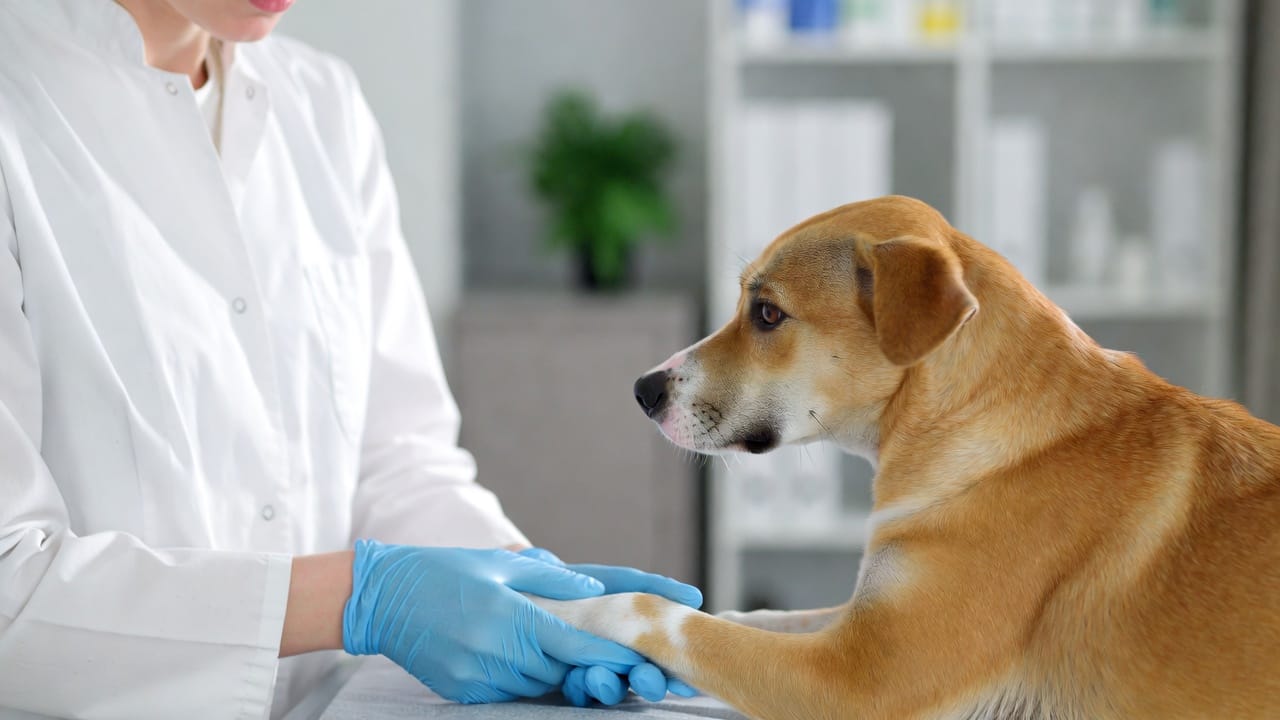
Veterinary medicine presents a uniquely demanding environment for drug delivery. Patients range from a 20-gram mouse to a 500-kilogram horse — a body weight span of four orders of magnitude. Drug dosing must scale accordingly, and the margin for error in small patients is almost zero. A syringe pump is not a luxury in veterinary practice; for many procedures, it is the only instrument capable of delivering medication at the required precision.
This guide covers how syringe pumps are used in veterinary care, what flow rates and volumes different species require, and which IPS Series configurations are most appropriate for clinical and research veterinary settings.
Why Veterinary Drug Delivery Demands Precision
In human medicine, dosing errors are serious. In small animal and exotic species veterinary medicine, they can be immediately fatal. A rabbit weighing 1.5 kg receiving an injectable anesthetic has essentially no buffer — a 20% overdose is a critical event. At that patient size, the difference between a therapeutic dose and a lethal dose may be less than 0.05 mL of solution.
Manual syringe administration — a clinician pushing a syringe by hand — cannot deliver 0.05 mL over 10 minutes at a constant rate. A syringe pump can. This is the foundational reason syringe pumps are now standard equipment in small animal ICUs, exotic animal clinics, and veterinary research facilities.
Critical insight: The smaller the patient, the more the pump specification matters. A ±5% flow rate error in a 50 kg dog is clinically insignificant. The same error in a 200 g rat receiving an IV anesthetic may push the animal into an overdose. IPS Series pumps maintain 99% accuracy across the full stroke — including at the very low flow rates small animal care requires.
Common Veterinary Applications
- Continuous propofol or alfaxalone infusion during surgery
- Rates typically 0.1–2 mL/min depending on patient weight
- Must be pulse-free to prevent anesthetic depth fluctuation
- Recipe function enables ramp-up, maintenance, and recovery phases
- Opioids, NSAIDs, ketamine for post-operative pain management
- Maintains steady plasma drug concentration over hours
- Avoids peak-trough fluctuations of bolus administration
- Critical in feline pain management where bolus opioids carry risks
- Rabbits, guinea pigs, birds, reptiles — sub-mL/hr flow rates
- IV fluid maintenance in patients too small for gravity drips
- Nutritional support via parenteral nutrition solutions
- Chemotherapy delivery in oncology patients
- Pharmacokinetic studies in rodent models
- Controlled drug administration in behavioural experiments
- Continuous infusion protocols in toxicology studies
- Precise volume delivery for blood sampling protocols
Flow Rate Requirements by Species
The IPS Series flow range — 17.89 pL/min to 121.51 mL/min — covers every veterinary patient size from laboratory rodent to large animal. The table below shows typical IV flow rate requirements by species for maintenance fluids and drug infusions:
| Species / Patient | Typical Weight | Typical IV Flow Range | Recommended IPS Model |
|---|---|---|---|
| Mouse | 20–35 g | 0.01–0.1 mL/hr | IPS-12 (small syringe) |
| Rat | 200–500 g | 0.1–1.0 mL/hr | IPS-12 / IPS-12RS |
| Rabbit | 1–5 kg | 1–10 mL/hr | IPS-12RS |
| Cat | 3–6 kg | 2–15 mL/hr | IPS-12RS |
| Dog (small) | 5–15 kg | 5–30 mL/hr | IPS-12RS |
| Dog (large) | 20–50 kg | 20–100 mL/hr | IPS-12RS / IPS-13RS |
| Bird / Reptile | 50 g–5 kg | 0.05–5 mL/hr | IPS-12 (glass syringe) |
Single Channel vs Dual Channel in Veterinary Use
Most veterinary infusion protocols use a single drug at a time — a single-channel pump such as the IPS-12RS is appropriate. However, several common protocols benefit from a dual-channel setup:
Simultaneous Fluid and Drug Delivery
A patient in shock may need IV crystalloid fluids at 10 mL/hr and a vasopressor at 0.5 mL/hr simultaneously through separate lines. The IPS-14‘s independent dual channels handle this in one unit — Channel A runs fluids, Channel B runs the vasopressor, each at its own rate without interference.
TIVA with Separate Analgesic CRI
Total intravenous anesthesia often combines a hypnotic (propofol) with a continuous rate infusion of an opioid or ketamine for analgesia. The IPS-14 allows both infusions to run independently on a single instrument — simplifying setup and reducing equipment clutter in the surgical suite.
IPS-13 for co-delivery: When two drugs must be delivered at the exact same rate — for example, a fixed-ratio combination product — the IPS-13‘s synchronized dual channels ensure both channels always advance in perfect lockstep. Useful in research protocols requiring fixed drug ratios.
The Recipe Function in Veterinary Anesthesia
The IPS-12RS, IPS-13RS, and IPS-14RS models include a recipe function — the ability to program multi-step infusion sequences that run automatically. This is particularly valuable in veterinary anesthesia, where drug requirements change predictably through induction, maintenance, and recovery phases.
A TIVA protocol on an IPS-12RS might be programmed as:
Saved recipes can be recalled instantly for subsequent cases of the same species and weight class, reducing setup time and the risk of programming errors during busy surgical sessions.
Wi-Fi Control in the Surgical Environment
The IPS-15RS and IPS-16RS add SSL-encrypted Wi-Fi connectivity. In a veterinary surgical suite, this allows the anesthetist to monitor and adjust infusion rates from the patient’s head end without reaching across the sterile field to touch the pump. Flow rate changes are confirmed via the mobile app, and the adjustment is logged with a timestamp — supporting accurate anesthesia record-keeping.
IPS Syringe Pumps for Veterinary Use
From rodent research to large animal surgery — 17.89 pL/min to 121.51 mL/min, 99% accuracy, recipe function standard on RS variants.
Related Articles
